Mission-critical, teacher-led educational AI

Tech For Those That Need It
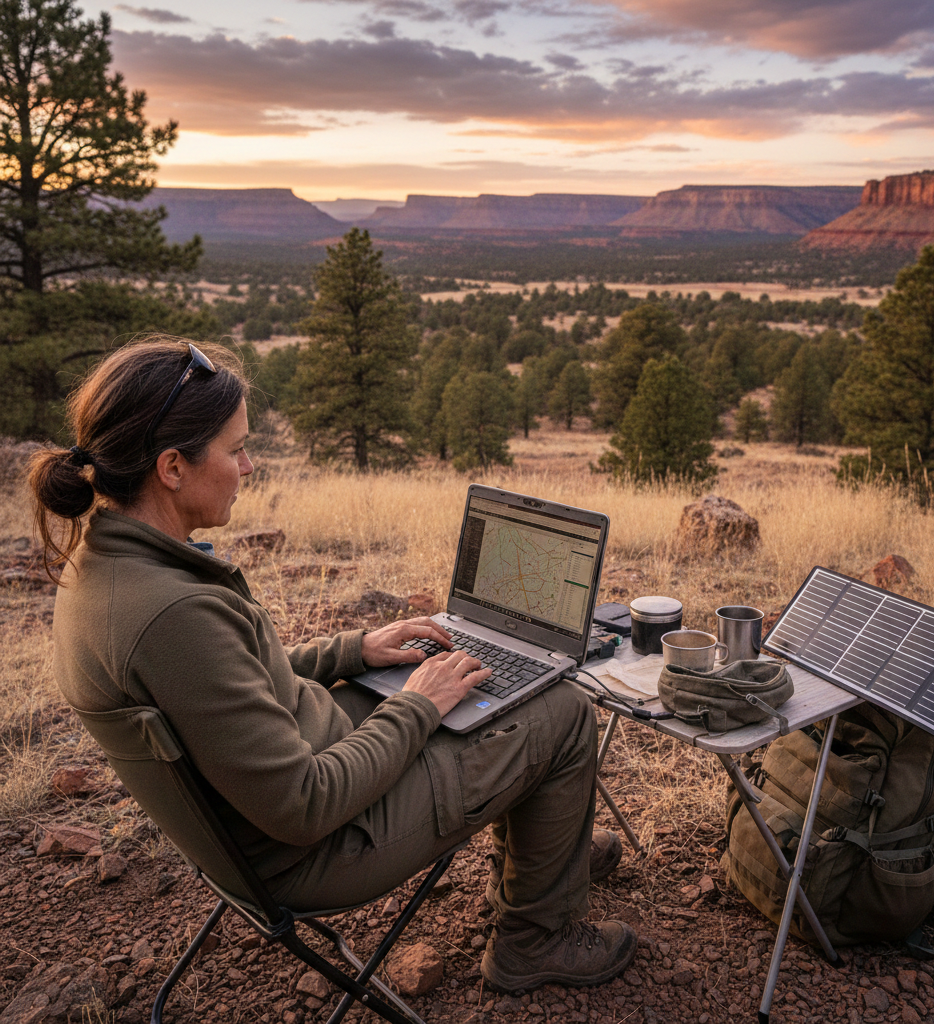
Our technology and approach is proven in the most demanding environments: correctional facilities and rural locations without reliable internet. We took this success and are expanding to wilderness medicine and Prolonged Casualty Care (PCC), where offline capability is mission-critical. Our mission is helping students who are digitally left behind wherever they might be. And the same local-first architecture benefits any classroom where focus and control matter.

One Approach, Multiple Missions
Our learning platform is operational in rural K-12 schools, higher ed, and correctional education programs across Arizona. We are actively conducting R&D for K-12 writing, first responder medical training, and military applications. We can provide both classroom ready solutions as well as AI infrastructure to bring our instructional AI approach to existing platforms.

Local AI, Teacher-Led
Everything we do is based on our Teacher-in-the-loop instructional model. Educators direct and oversee AI interactions, student data remains secure, and the system works anywhere—online or off. We believe AI will never replace the critical role of teachers, but it can help enhance their abilities.
Fireline Science is funded by the NSF’s SBIR program.
Teachers are the foundation
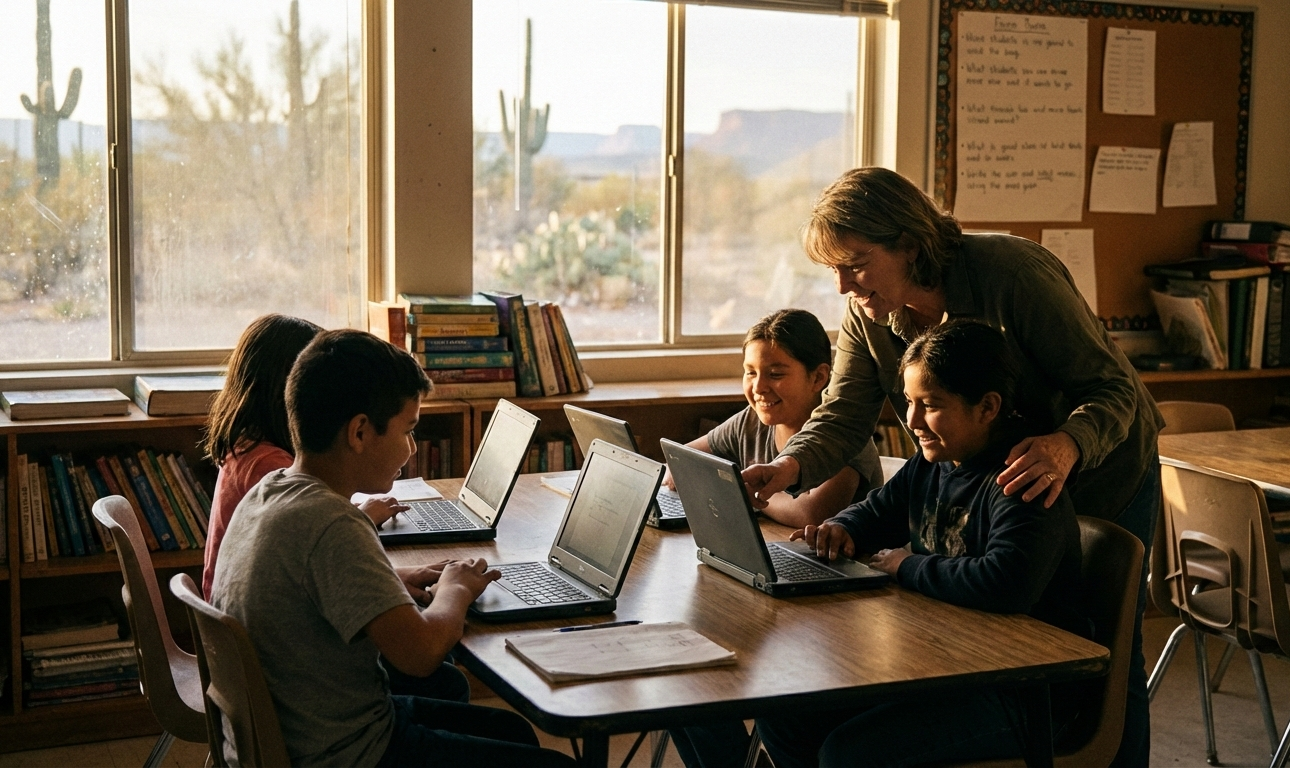
We built Fireline Science on a simple principle: AI should amplify teachers, not replace them. Our teacher-in-the-loop architecture keeps educators in control while increasing feedback capacity by 400% and reducing grading time by 50%. Teachers guide and supervise the AI, maintain pedagogical quality, and reclaim time for the work that matters most.
AI you control, where you need it
Our goal is to bring impactful, AI-augmented education to the learners and contexts that need it most. Our K-12 and Python programs already run completely offline in rural schools and correctional facilities. We're extending this to wilderness medicine and first responder training where connectivity can't be assumed. Local-first architecture makes this possible—and reaches learners that cloud-dependent approaches simply can't serve.
But offline capability benefits any classroom. Focus Mode lets instructors require students to disconnect during class, eliminating distractions while preserving access to AI-enabled learning tools. And teachers can assign homework without worrying which students have internet at home. The architecture that serves under-connected communities closes the homework gap for everyone.